
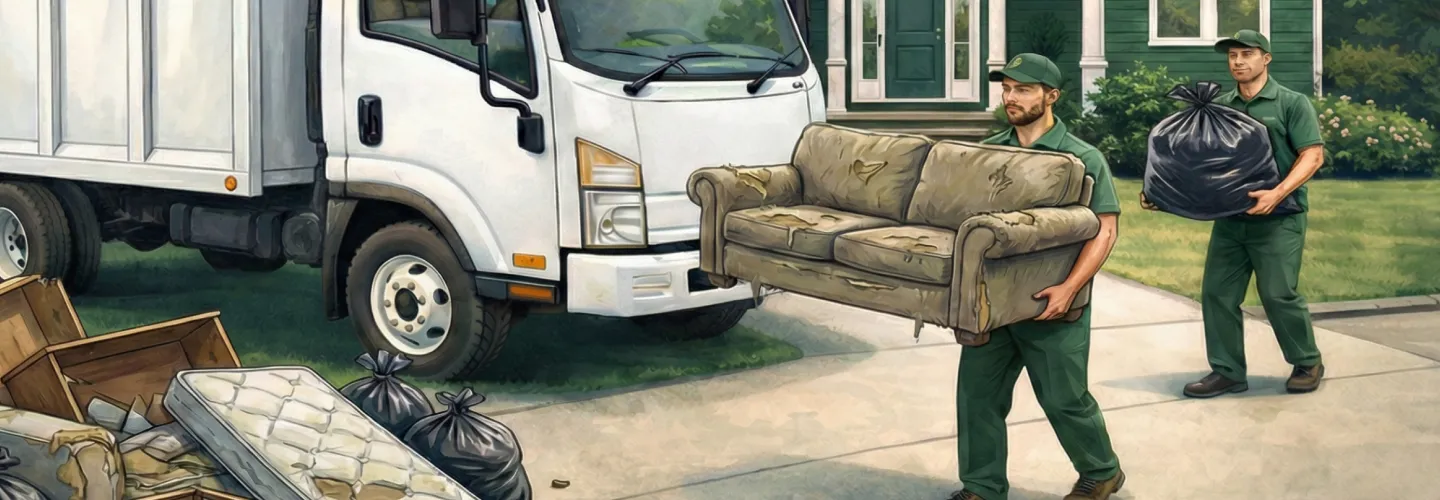
South Fulton Hoarding Cleanup Services
Choose our Hoarding Cleanup services for discreet, respectful, and thorough restoration—helping you reclaim your home with care, understanding, and professionalism.
Get a Free QuoteOur South Fulton Junk Removal Services
Hoarding Cleanup in South Fulton, GA – Local Service Guide
Hoarding cleanup in South Fulton, GA requires a sensitive, strategic approach tailored to local needs. Whether you’re in Cliftondale, Sandtown, or Cascade Palmetto Highway, residents and businesses often face hoarding situations triggered by life transitions, property sales, or seasonal changes. For residential items like furniture, mattresses, and appliances, cleanouts often follow spring moves, estate transitions, or after major weather events. Local donation centers and recycling programs offer alternatives to landfill disposal, but access and item size—especially in neighborhoods with narrow drives or limited curb space—can affect logistics.
Residential spaces such as garages, basements, and yards see increased cleanup needs after storms or during annual property maintenance, particularly in flood-prone or tree-heavy areas. Commercial properties in South Fulton’s business corridors, like Old National Highway, require discreet, timely service to minimize disruption, with volume and scheduling tailored to sector needs. Specialty cleanups—foreclosure, estate, or construction debris—demand careful planning and coordination, especially when navigating city regulations or unique property layouts.
Benefits of Hoarding Cleanup in South Fulton
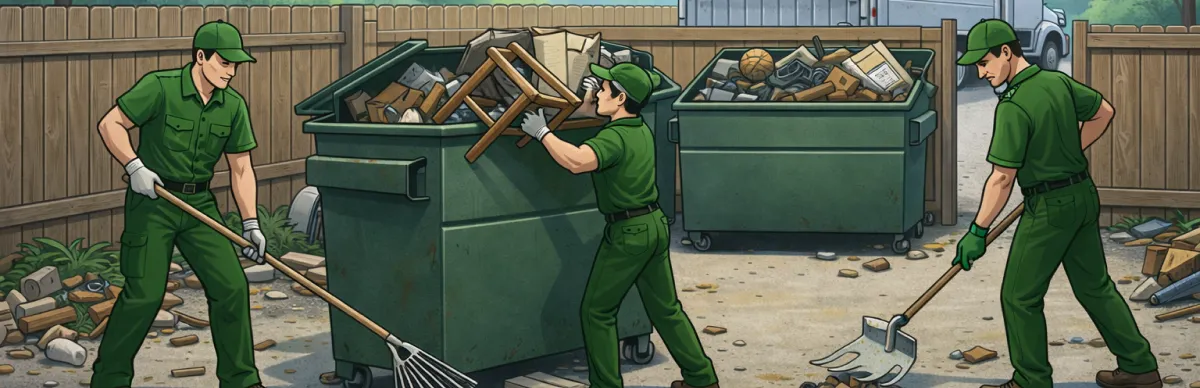
Compassionate and Discreet Service
Certified Cleanup Professionals
Fast and Reliable Response
Thorough Sanitization and Odor Removal
Customized Cleanup Plans
Safe Disposal of Hazardous Materials
Coordinating Hoarding Cleanup with South Fulton's Code Enforcement and Public Works Departments
Hoarding cleanup in South Fulton requires coordination between multiple municipal departments to ensure compliance with local property maintenance codes and solid waste regulations. The Community Development & Regulatory Affairs department oversees code enforcement actions that frequently initiate hoarding remediation cases. Properties cited for code violations must meet specific remediation timelines established by the city.
- Code enforcement officers may issue notices of violation for properties posing health or safety hazards due to excessive accumulation of materials
- Solid waste coordination through Public Works is required for bulk debris removal exceeding standard residential collection limits
- Building permits may be necessary if structural repairs or renovations are required after debris removal
- Inspection scheduling should be arranged through Community Development to confirm post-cleanup compliance
Residents and cleanup professionals should contact the city early in the process to understand applicable timelines and avoid escalating penalties.
South Fulton Community Development & Regulatory Affairs
5440 Fulton Industrial Blvd, South Fulton, GA 30336
Phone: (470) 809-7700
Official Website: Community Development & Regulatory Affairs
Biohazard and Hazardous Material Disposal Requirements for South Fulton Hoarding Cases
Hoarding environments in South Fulton frequently contain biohazardous materials, expired chemicals, and other substances requiring specialized handling under Georgia and federal regulations. The Georgia Environmental Protection Division enforces the Georgia Comprehensive Solid Waste Management Act, which governs the classification and disposal of hazardous and special waste streams generated during hoarding remediation.
- Biohazardous materials such as animal waste, bodily fluids, and contaminated textiles must be handled by licensed professionals and transported to permitted treatment facilities
- Household hazardous waste including paints, solvents, pesticides, and cleaning chemicals cannot be placed in standard residential waste collection and must be taken to designated collection events
- Expired medications should be disposed of through DEA-authorized drug take-back programs rather than placed in trash or flushed
- Sharps and medical waste require puncture-resistant containers and disposal through approved medical waste haulers
- Lead paint debris in pre-1978 homes must follow EPA Renovation, Repair, and Painting Rule protocols
Fulton County periodically hosts Household Hazardous Waste collection events where residents can drop off prohibited materials at no charge. Improper disposal of hazardous materials may result in fines and environmental remediation liability.
Georgia's Solid Waste Regulations and Recycling Mandates Affecting Hoarding Remediation
Georgia's solid waste management framework, administered by the Georgia Environmental Protection Division (GA EPD), establishes statewide requirements that directly affect hoarding cleanup operations in South Fulton. The Georgia Comprehensive Solid Waste Management Act requires all solid waste to be transported by permitted haulers and disposed of at permitted facilities.
- Permitted haulers must hold valid solid waste handling permits issued by GA EPD before transporting debris from hoarding sites
- Electronics disposal — while Georgia does not currently enforce a statewide e-waste landfill ban, responsible recycling through certified e-waste processors is strongly encouraged
- Appliances containing refrigerants must have refrigerant recovered by an EPA Section 608-certified technician before disposal
- Tires are prohibited from Georgia landfills and must be taken to licensed tire recyclers or processors
- Scrap metal, cardboard, and recyclable plastics should be separated and diverted from landfill disposal to support local waste diversion goals
The South Fulton Environmental Committee provides guidance on sustainability initiatives and may offer resources for environmentally responsible disposal during large-scale cleanout projects.
Georgia Environmental Protection Division
2 Martin Luther King Jr. Dr SE, Suite 1456 East, Atlanta, GA 30334
Phone: (404) 656-4713
Official Website: Georgia Environmental Protection Division
Safety Protocols and Property Access Considerations for Hoarding Cleanup in South Fulton
Hoarding cleanup operations in South Fulton present significant safety hazards that require adherence to OSHA standards and coordination with local emergency services. Structural instability, pest infestations, mold contamination, and obstructed egress pathways are common conditions encountered in hoarding environments. The South Fulton Fire Rescue Department may need to be consulted when fire code violations or blocked exits are identified during initial property assessments.
- Personal protective equipment (PPE) including respirators, gloves, eye protection, and protective clothing is required for workers entering contaminated environments
- Structural assessments should be conducted before heavy debris removal to identify compromised floors, stairways, or load-bearing walls
- Mold remediation may require licensed professionals if contamination exceeds 10 square feet, per EPA guidelines
- Pest control treatment should precede or accompany debris removal to prevent dispersal of rodents and insects to neighboring properties
- Egress clearance must be established immediately upon entry to ensure safe evacuation routes for workers
If structural damage is discovered during cleanup, the South Fulton Building Permits department should be contacted to determine whether repair permits are required before occupancy can be restored.
South Fulton Fire Rescue Department
5440 Fulton Industrial Blvd, South Fulton, GA 30336
Phone: (470) 809-7700
Official Website: South Fulton Fire Rescue Department
Sorting, Donation, and Recycling Strategies During South Fulton Hoarding Cleanouts
Effective hoarding cleanup in South Fulton requires systematic sorting of accumulated materials to maximize landfill diversion and comply with disposal regulations. The volume of items recovered from hoarding situations often includes salvageable furniture, clothing, electronics, and household goods that can be redirected through donation and recycling channels rather than sent to landfills.
- Furniture and household goods in usable condition can be donated to local nonprofit organizations such as Habitat for Humanity ReStore or Goodwill locations serving the South Fulton area
- Clothing and textiles should be separated and directed to textile recycling programs or charitable donation centers
- Electronics including televisions, computers, and small appliances should be taken to certified e-waste recyclers rather than placed in standard waste streams
- Scrap metal from appliances, shelving, and fixtures can be directed to licensed scrap metal facilities for material recovery
- Paper, cardboard, and mixed recyclables should be separated according to Fulton County recycling guidelines
The South Fulton Public Works Department can provide information on current bulk waste collection schedules and accepted materials for residential pickup.
South Fulton Public Works Department
5440 Fulton Industrial Blvd, South Fulton, GA 30336
Phone: (470) 809-7700
Official Website: South Fulton Public Works Department
What Neighborhoods Do We Serve Throughout South Fulton, GA?
- Old National Highway Corridor: This commercial and residential corridor features a mix of single-family homes and multi-family complexes. Hoarding cleanup crews should anticipate varied access conditions, including narrow driveways and limited staging areas near apartment buildings.
- Campbellton Road Area: Predominantly single-family residential properties, many built in the 1970s and 1980s. Pre-1978 homes may require lead paint assessments before renovation debris is disturbed during hoarding remediation.
- Stonewall Tell: A suburban neighborhood with larger lot sizes and wider street access, facilitating easier truck staging for bulk debris removal. HOA regulations may require advance notification before cleanup operations begin.
- Red Oak: Features a mix of older ranch-style homes and newer developments. Older properties may present structural concerns and pest infestation challenges common in long-term hoarding situations.
- Sandtown: Established residential community with mature tree canopy that may limit overhead clearance for larger removal vehicles. Properties in this area frequently require coordination with code enforcement for exterior accumulation violations.
- Cliftondale: A historic area with older housing stock where asbestos-containing materials and outdated electrical systems may complicate hoarding cleanup. Building permit consultation through the city is recommended for any structural modifications discovered during remediation.