
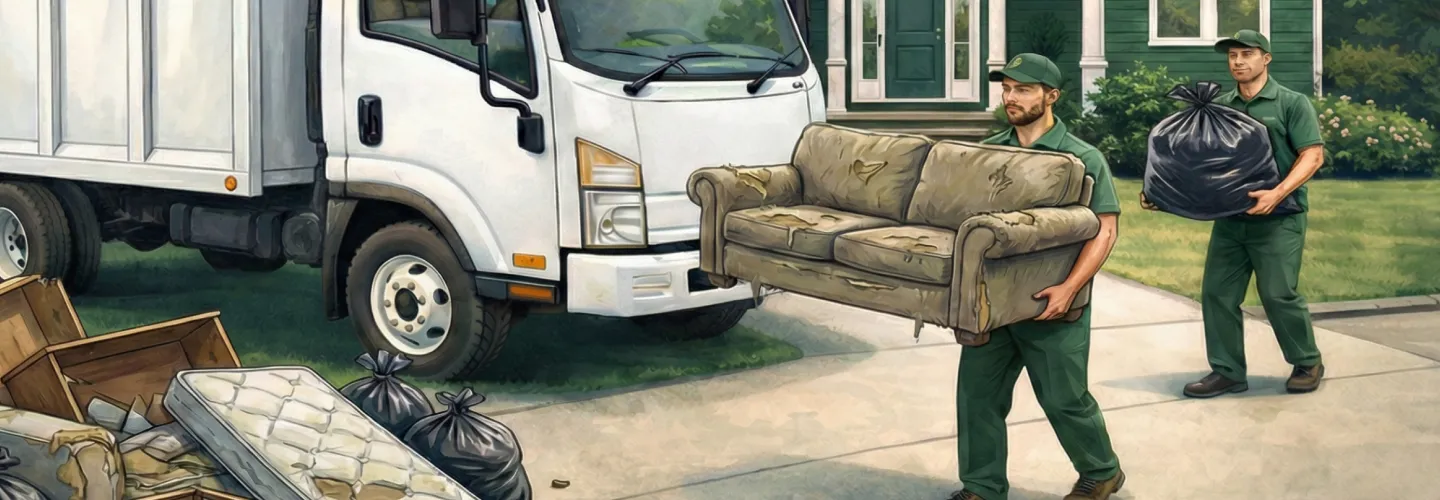
South Fulton Yard Waste Removal Services
Choose our Yard Waste Removal for fast, eco-friendly service that keeps your property spotless and your weekends worry-free.
Get a Free QuoteOur South Fulton Junk Removal Services
Yard Waste Removal in South Fulton, GA – Local Service Guide
Yard waste removal in South Fulton, GA is essential for maintaining curb appeal and property health, especially in neighborhoods like Cliftondale, Sandtown, and Cascade Palmetto. Residents often need removal services after seasonal cleanups, storm debris, or landscaping projects. In spring and fall, leaf and branch accumulation is common, while summer storms can bring down limbs that require prompt attention. For residential items such as old furniture or appliances, replacements and life events like moving often trigger disposal needs. Local options include donation, recycling, or scheduled pickups, but access and weather can affect logistics—especially on larger lots or during rainy periods. Commercial properties in areas like Camp Creek Marketplace or Old National Highway face unique challenges, such as higher volumes and the need for discreet, timely service to avoid business disruption. Specialty removals, including construction debris or estate cleanouts, require careful planning and coordination, particularly for larger properties or during renovations.
Benefits of Yard Waste Removal in South Fulton
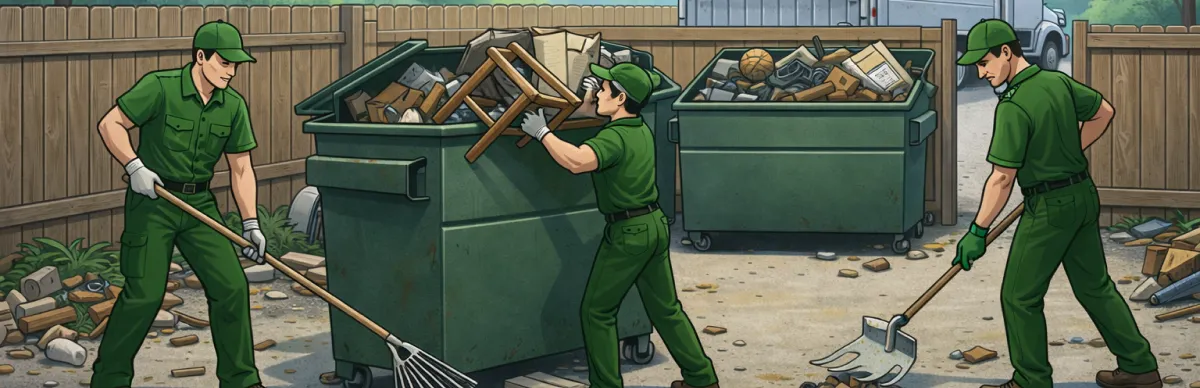
Fast and Reliable Yard Waste Pickup
Eco-Friendly Disposal Practices
Affordable Yard Debris Removal
Experienced Local Professionals
Flexible Scheduling Options
Comprehensive Cleanup Services
Coordinating Yard Waste Pickup with South Fulton's Public Works Department
Residents of South Fulton must follow municipal guidelines when disposing of yard waste such as leaves, grass clippings, branches, and brush. The City of South Fulton's Public Works Department oversees solid waste services, including the collection and proper handling of organic yard debris. Yard waste must be separated from regular household trash and placed curbside in approved containers or bundled according to city specifications. Key preparation requirements include:
- Branches and limbs must be cut to lengths no longer than four feet and bundled with twine or string
- Loose leaves and grass clippings should be placed in biodegradable paper bags or designated yard waste bins
- Plastic bags are generally prohibited for yard waste collection, as they contaminate composting streams
- Stumps, root balls, and large logs exceeding weight or size limits may require separate hauling arrangements
- Yard waste must be placed at the curb by 6:00 AM on the scheduled collection day
Residents should confirm their specific collection schedule through the Public Works Department to avoid missed pickups or code enforcement citations.
South Fulton Public Works Department
5440 Fulton Industrial Blvd, South Fulton, GA 30336
Phone: (470) 809-7700
Official Website: South Fulton Public Works Department
Georgia's Solid Waste Management Act and Yard Debris Disposal Compliance
Georgia state law governs the disposal of yard waste and organic debris through the Georgia Comprehensive Solid Waste Management Act (O.C.G.A. § 12-8-20). This legislation establishes standards for waste handling, landfill operations, and recycling that directly affect how South Fulton residents and haulers manage yard debris. The Georgia Environmental Protection Division (GA EPD) enforces these regulations at the state level. Important compliance considerations include:
- Yard waste landfill restrictions: Georgia encourages diversion of yard trimmings from municipal solid waste landfills, and many permitted facilities prohibit acceptance of uncomposted yard debris
- Open burning regulations: Burning yard waste within South Fulton city limits is subject to local fire codes and Georgia EPD air quality rules; permits may be required
- Illegal dumping penalties: Disposing of yard waste in unauthorized locations, storm drains, or vacant lots can result in fines ranging from $250 to $1,000 per violation under state and local ordinances
- Composting standards: Facilities accepting yard waste for composting must hold valid permits from GA EPD
Residents and commercial landscapers should verify that any hauler transporting yard waste operates with proper licensing and delivers materials to permitted disposal or composting facilities.
South Fulton Stormwater Regulations Affecting Yard Waste Disposal Practices
Improper yard waste disposal poses significant environmental risks to South Fulton's stormwater infrastructure and local waterways. The City of South Fulton's Stormwater Management program enforces regulations designed to prevent organic debris from entering storm drains, creeks, and retention basins. Yard waste that enters the stormwater system can cause blockages, flooding, and water quality degradation. Residents and landscaping contractors must observe the following practices:
- Never blow or rake leaves, grass clippings, or debris into storm drains, ditches, or waterways
- Stockpiled yard waste must be kept at least 25 feet from streams, wetlands, and stormwater conveyances
- Erosion and sediment control measures are required when clearing large areas of vegetation or performing significant landscape grading
- Mulching in place is encouraged as an alternative to curbside disposal, reducing runoff and improving soil health
- Violations of stormwater pollution prevention requirements may result in code enforcement action through the Community Development & Regulatory Affairs department
South Fulton Stormwater Management
5440 Fulton Industrial Blvd, South Fulton, GA 30336
Phone: (470) 809-7700
Official Website: South Fulton Stormwater Management
Sorting and Separation Requirements for South Fulton Yard Waste Materials
Proper sorting of yard waste is essential for compliance with South Fulton's collection standards and Georgia's waste diversion goals. Mixing yard debris with household garbage, construction materials, or hazardous substances can result in rejected loads, contamination fees, and potential code violations. The Georgia Tree Council also provides guidance on responsible tree care debris management. Residents and contractors should adhere to these separation protocols:
- Acceptable yard waste: Grass clippings, leaves, small branches (under four feet), shrub trimmings, weeds, and garden plant material
- Prohibited contaminants: Treated lumber, painted wood, plastic pots, landscape fabric, rocks, soil, and sod are not classified as yard waste
- Hazardous materials: Pesticide containers, herbicide bottles, and chemically treated mulch must be disposed of through Fulton County's Household Hazardous Waste collection events
- Tree removal debris: Large-diameter trunks, stumps, and root systems typically exceed standard collection limits and may require a licensed hauler or transfer station drop-off
- Seasonal volume spikes: Fall leaf collection and spring cleanup periods may generate volumes exceeding normal pickup limits; residents should contact Public Works for overflow scheduling
South Fulton Environmental Committee
5440 Fulton Industrial Blvd, South Fulton, GA 30336
Phone: (470) 809-7700
Official Website: South Fulton Environmental Committee
Tree Removal Permits and Code Enforcement for Large-Scale Yard Clearing in South Fulton
Large-scale yard clearing, tree removal, and land-disturbing activities in South Fulton may require permits from the city's Building Permits division and coordination with Planning & Zoning. South Fulton enforces tree preservation ordinances that regulate the removal of mature trees on residential and commercial properties. Before undertaking significant yard waste-generating projects, property owners should consider:
- Tree removal permits may be required for specimens exceeding a specified diameter at breast height (DBH); contact the city's planning department for current thresholds
- Land disturbance permits are mandatory for clearing activities affecting more than one acre, per Georgia Erosion and Sedimentation Act requirements
- Replacement planting may be required when protected trees are removed, with specifications set by the city's zoning code
- Commercial landscaping operations generating large volumes of yard waste must use licensed haulers and deliver debris to permitted composting or disposal facilities
- Code enforcement officers may issue citations for accumulation of yard waste that creates fire hazards, pest harborage, or neighborhood blight
South Fulton Community Development & Regulatory Affairs
5440 Fulton Industrial Blvd, South Fulton, GA 30336
Phone: (470) 809-7700
Official Website: South Fulton Community Development & Regulatory Affairs
What Neighborhoods Do We Serve Throughout South Fulton, GA?
- Red Oak: Established single-family residential community with mature tree canopy generating significant seasonal leaf and branch debris. Wide lot sizes and driveway access facilitate curbside yard waste collection and hauler truck maneuvering.
- Campbellton: One of South Fulton's historic areas featuring older properties with large hardwood trees. Tree removal and stump grinding projects may require permits due to heritage tree protections; narrow rural-style roads in some sections can limit equipment access.
- Sandtown: Growing suburban neighborhood with newer construction and developing landscaping. Residents frequently generate sod, shrub trimmings, and installation debris during initial yard establishment; HOA guidelines may govern debris staging and pickup timing.
- Cliftondale: Mixed residential area with both established homes and infill development. Mature pine and oak trees produce heavy seasonal needle and leaf drop, often exceeding standard collection volume limits during fall months.
- Stonewall Tell: Community adjacent to park land and greenspace corridors, resulting in higher volumes of natural debris from adjacent wooded areas. Stormwater sensitivity near creek buffers requires careful yard waste staging to prevent runoff contamination.
- Heritage Park Area: Newer planned development with uniform lot sizes and community landscaping standards. HOA regulations typically dictate yard waste container placement, collection schedules, and approved disposal methods for common-area maintenance debris.