
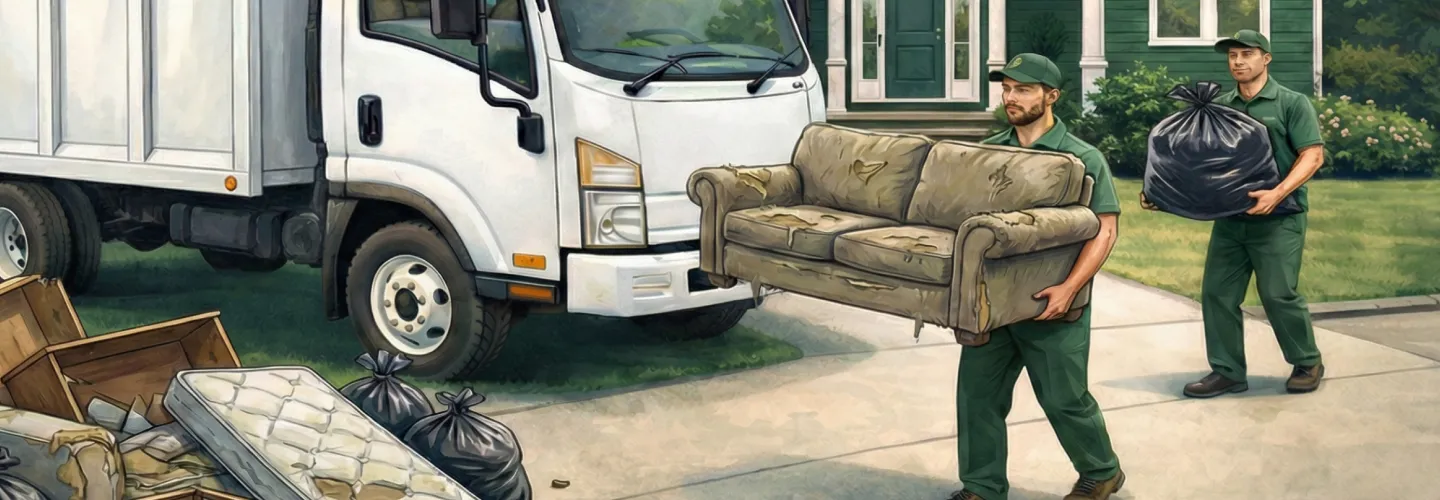
South Fulton Construction Waste Management Services
Choose our Construction Waste Management for hassle-free, eco-friendly disposal that keeps your project on schedule and your site safe—trusted by contractors and homeowners alike for dependable service and sustainable results.
Get a Free QuoteOur South Fulton Junk Removal Services
Construction Waste Management in South Fulton, GA – Local Service Guide
Construction waste management in South Fulton, GA, requires a tailored approach for both residential and commercial needs. In neighborhoods like Cascade Palmetto Highway and Cliftondale, residents often need to dispose of bulky items—such as furniture, appliances, or hot tubs—during seasonal cleanouts, home renovations, or after major life events. Local weather and property access, especially in areas with dense tree coverage or frequent storms, can impact logistics and timing. For residential spaces like garages, basements, and yards, spring and fall cleanups are common, while storm debris removal is crucial in flood-prone zones like Sandtown. Commercial sectors—offices, restaurants, and construction sites in the Old National Highway corridor—face unique challenges, including high waste volumes, strict scheduling, and the need for discreet, efficient service. Specialty projects, such as estate cleanouts or construction debris removal, require careful planning and coordination, particularly for foreclosures or large-scale renovations. For guidance on local disposal rules and resources, visit the South Fulton Public Works Department.
Key Considerations for Construction Waste Management in South Fulton
- Timing cleanouts around local weather and seasonal events
- Securing necessary permits for large-scale disposal
- Using approved disposal and recycling channels
- Ensuring property access for large items or dumpsters
- Coordinating with local schedules for pickup and drop-off
- Addressing category-specific requirements for specialty items
Benefits of Construction Waste Management in South Fulton
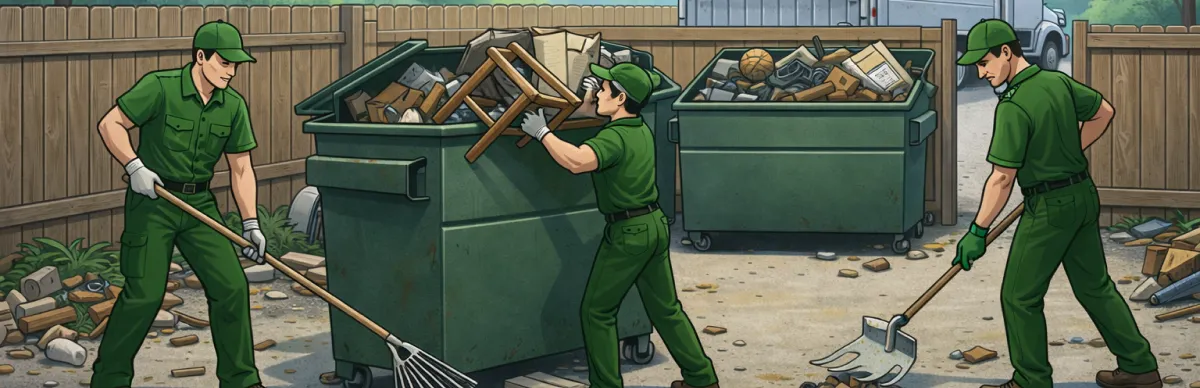
Efficient Debris Removal
Cost-Effective Waste Solutions
Environmentally Friendly Practices
Regulatory Compliance Assurance
Improved Site Safety
Streamlined Project Timelines
Coordinating Construction Waste Disposal with South Fulton's Public Works Department
Construction and demolition (C&D) projects in South Fulton generate significant volumes of debris that require proper coordination with municipal services. The South Fulton Public Works Department oversees solid waste services and can provide guidance on approved disposal methods for construction materials. Residents and contractors undertaking renovation or demolition work should be aware of the following requirements:
- C&D debris — including drywall, lumber, roofing shingles, concrete, and brick — must be separated from household waste
- Bulk construction waste is not accepted through standard curbside collection programs
- Licensed haulers must be used for transporting large volumes of construction debris to approved facilities
- Contractors should confirm disposal site acceptance policies before hauling materials
- All waste transport vehicles must comply with load-securing and cover requirements to prevent roadway debris
South Fulton Public Works Department
5440 Fulton Industrial Blvd, South Fulton, GA 30336
Phone: (470) 809-7700
Official Website: South Fulton Public Works Department
Contractors and homeowners should contact Public Works before beginning any project that will generate substantial construction waste to confirm current disposal protocols and scheduling requirements.
South Fulton Building Permit Requirements for Renovation and Demolition Debris
Any construction, renovation, or demolition project in South Fulton that generates waste typically requires a building permit from the city's Community Development and Regulatory Affairs department. Permit applications often include a waste management component that outlines how debris will be handled, sorted, and disposed of. Key considerations include:
- Building permits are required for structural demolition, major renovations, roofing replacements, and additions
- Permit applications should specify the type and estimated volume of construction waste anticipated
- Code enforcement officers may inspect job sites to verify proper waste containment and removal practices
- Debris must not be left on public rights-of-way, sidewalks, or neighboring properties without authorization
- Projects in areas governed by HOA covenants may require additional approvals for on-site waste staging
South Fulton Building Permits
5440 Fulton Industrial Blvd, South Fulton, GA 30336
Phone: (470) 809-7700
Official Website: South Fulton Building Permits
Failure to obtain required permits before generating construction waste may result in code violations, stop-work orders, and fines imposed by the city's regulatory affairs division.
Georgia's Solid Waste Management Act and Construction Debris Compliance
Construction waste management in South Fulton is governed at the state level by the Georgia Environmental Protection Division (GA EPD), which administers solid waste regulations under the Georgia Comprehensive Solid Waste Management Act (O.C.G.A. § 12-8-20 et seq.). This legislation establishes the framework for how C&D materials must be handled, transported, and disposed of across the state. Important state-level requirements include:
- C&D landfills are classified separately from municipal solid waste landfills and must hold specific permits from GA EPD
- Asbestos-containing materials found in pre-1980 structures require handling by licensed abatement contractors in accordance with EPA regulations
- Lead-based paint debris from pre-1978 buildings must follow EPA's Renovation, Repair, and Painting Rule
- Hazardous materials such as solvents, adhesives, treated wood preservatives, and chemical coatings are prohibited from C&D landfills
- Illegal dumping of construction debris carries penalties including fines and potential criminal charges under Georgia law
Contractors operating in South Fulton should verify that all disposal facilities hold valid GA EPD permits before delivering construction waste.
Stormwater Protection and Erosion Control During South Fulton Construction Projects
Construction sites in South Fulton must comply with stormwater management regulations to prevent sediment, debris, and pollutants from entering local waterways. The city's Stormwater Management program enforces erosion and sediment control measures that directly affect how construction waste is stored and managed on active job sites. Compliance requirements include:
- Silt fencing and sediment barriers must be installed around construction waste staging areas
- Loose debris including sawdust, drywall fragments, and packaging materials must be contained to prevent stormwater contamination
- Concrete washout areas must be designated and maintained separately from storm drains
- Construction sites disturbing one acre or more require a Land Disturbance Permit and a Stormwater Pollution Prevention Plan (SWPPP)
- Regular site inspections are required to ensure waste materials are not migrating off-site during rain events
South Fulton Stormwater Management
5440 Fulton Industrial Blvd, South Fulton, GA 30336
Phone: (470) 809-7700
Official Website: South Fulton Stormwater Management
Violations of stormwater regulations during construction can result in stop-work orders and significant fines from both city and state enforcement agencies.
Material Sorting and Recycling Requirements for South Fulton Construction Projects
Responsible construction waste management in South Fulton involves separating recyclable materials from general debris to reduce landfill burden and comply with environmental stewardship goals promoted by the city's Environmental Committee. Proper material sorting at the job site improves disposal efficiency and may reduce overall project costs. Common construction materials and their disposal pathways include:
- Concrete, brick, and masonry — can be crushed and recycled as aggregate at approved facilities
- Scrap metal (rebar, copper pipe, steel framing) — accepted at licensed scrap metal recyclers for material recovery
- Clean wood and lumber — may be accepted for mulching or biomass processing; treated or painted wood requires separate disposal
- Roofing shingles — asphalt shingles are recyclable at specialized facilities that process them into road paving material
- Drywall and gypsum board — recyclable at select facilities; must be kept dry and free of contamination
- Appliances with refrigerants removed during renovation require certified refrigerant recovery per EPA Section 608 before disposal
Contractors should establish on-site sorting stations with clearly labeled containers for each material category to streamline recycling and ensure regulatory compliance.
What Neighborhoods Do We Serve Throughout South Fulton, GA?
- Old National Highway Corridor: This commercial and residential corridor features a mix of retail properties and single-family homes undergoing frequent renovation. Construction waste access is generally straightforward along the main road, though side streets may have limited turning radius for larger vehicles.
- Campbellton Road Area: An active redevelopment zone with older commercial structures and residential properties. Pre-1978 buildings in this area may contain lead paint or asbestos, requiring specialized handling during demolition or renovation projects.
- Sandtown: Predominantly single-family residential neighborhoods with wide streets and driveway access suitable for construction debris staging. New construction and home additions are common, generating standard framing, roofing, and concrete waste.
- Red Oak: A mix of established subdivisions and newer developments near the southern boundary of South Fulton. Construction projects here often involve lot clearing and foundation work, producing significant volumes of soil, concrete, and land-clearing debris.
- Stonewall Tell: Residential community with HOA-governed subdivisions where construction waste staging and temporary storage may require advance approval. Contractors should confirm community guidelines before placing materials on driveways or front yards.
- Cliftondale: Older residential area with properties frequently undergoing kitchen and bathroom remodels. Narrow lot configurations may require careful planning for debris removal vehicle access and material staging.